How often have you searched something such as “electrician Hobart” or “best café near me” and clicked one of the first results that popped up? Pretty regularly we'd say.
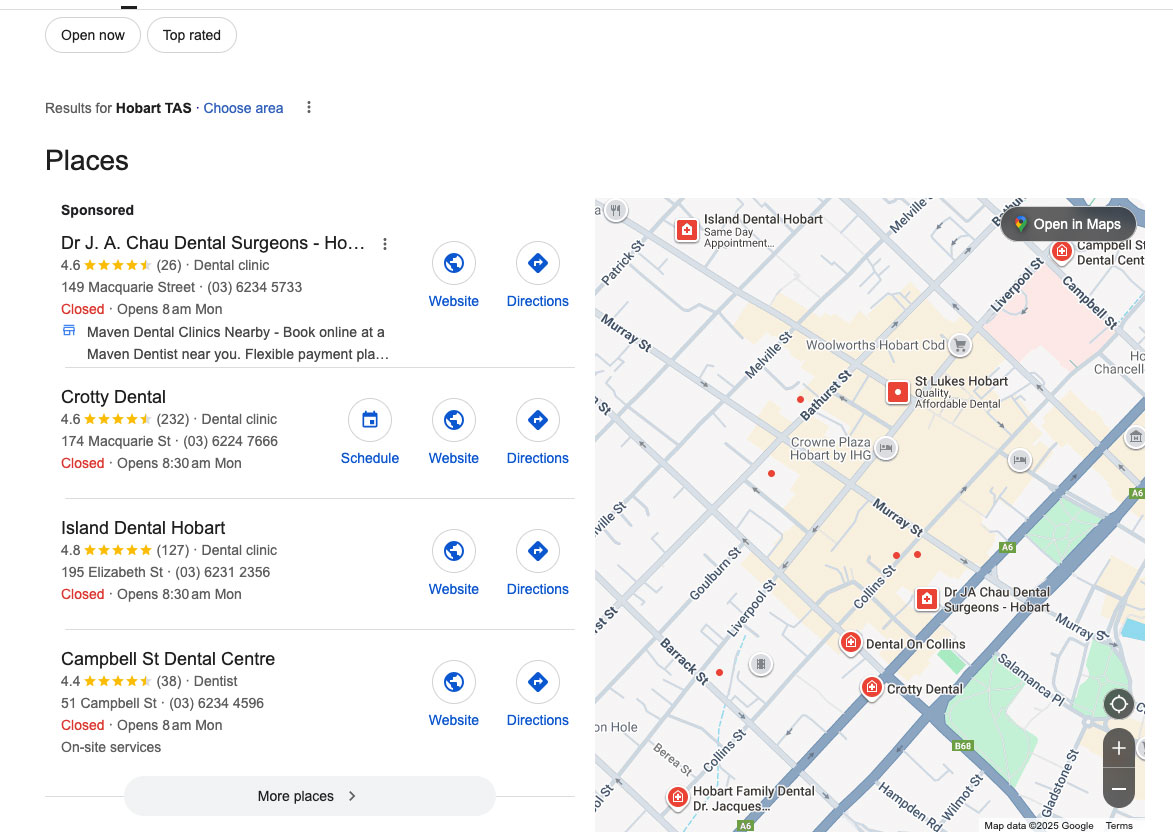
That’s local SEO at work - ensuring that your business appears in that featured 'map pack' area that receives 93% more actions - thus; if your business isn’t showing up in these results, you’re losing customers to someone who is.
It's important to recognise that local SEO is about more than just ticking boxes or following trends but also about making sure your business - whether you’re based in Hobart, Kingston, Glenorchy or anywhere in between - is easy to find when people are searching.
Want the good news?
You don’t need to be an SEO expert to make meaningful improvements.
With a little time and the right roadmap, any small business owner can take control of their local presence online; and with this in mind, below is a clear, practical checklist you can follow to start improving your visibility - one step at a time.
Let's dive in...
If you only do one thing from this checklist - make it this.
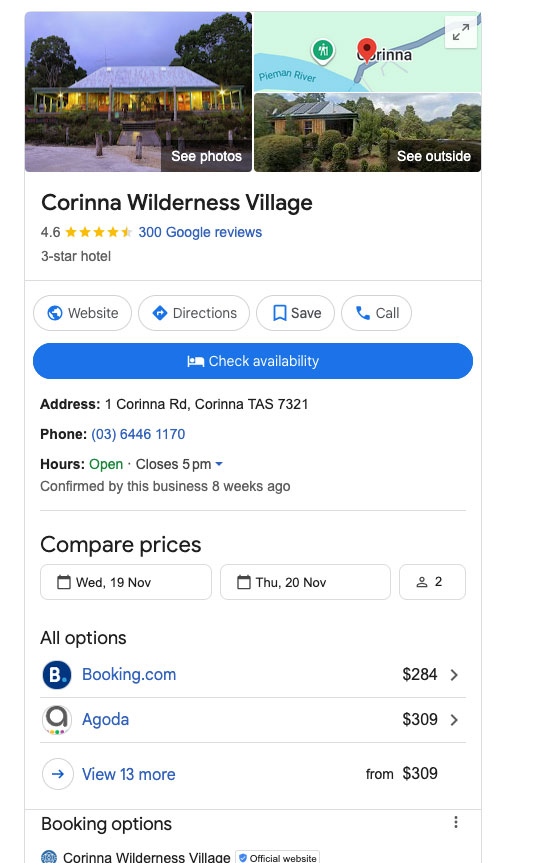
Your Google Business Profile is the first thing many customers will see when they search for your service.
It appears in Google Maps, in the ‘3-pack’ local results, and often even before your website. That makes it one of the most powerful (and free) local SEO tools available.
Start by claiming and verifying your business through Google - then fill in every field you can: business name, address, phone number, website, trading hours, services, and a compelling business description.
Some things to include are:
Google rewards activity, so keep it current.
Dom’s Tip: "Most small business owners in Hobart still haven’t touched their GBP in months, so even a small gesture like updating your holiday hours gives you a local SEO edge."
Surprise, surprise - Google loves consistency.
So if your business name is “Smith Street Coffee Co.” on your website, but “Smith St Café” on your Facebook page or TrueLocal, you’re sending mixed signals.
That inconsistency can hurt your rankings.
NAP stands for Name, Address and Phone - and it needs to be identical wherever your business is mentioned online.
Not just similar. Identical.
Audit your existing listings. Google your business name and see what comes up - then update anything that’s old, incorrect or inconsistent.
Common culprits? Facebook, Instagram, Yellow Pages, Hotfrog, Yelp and ABN directories.
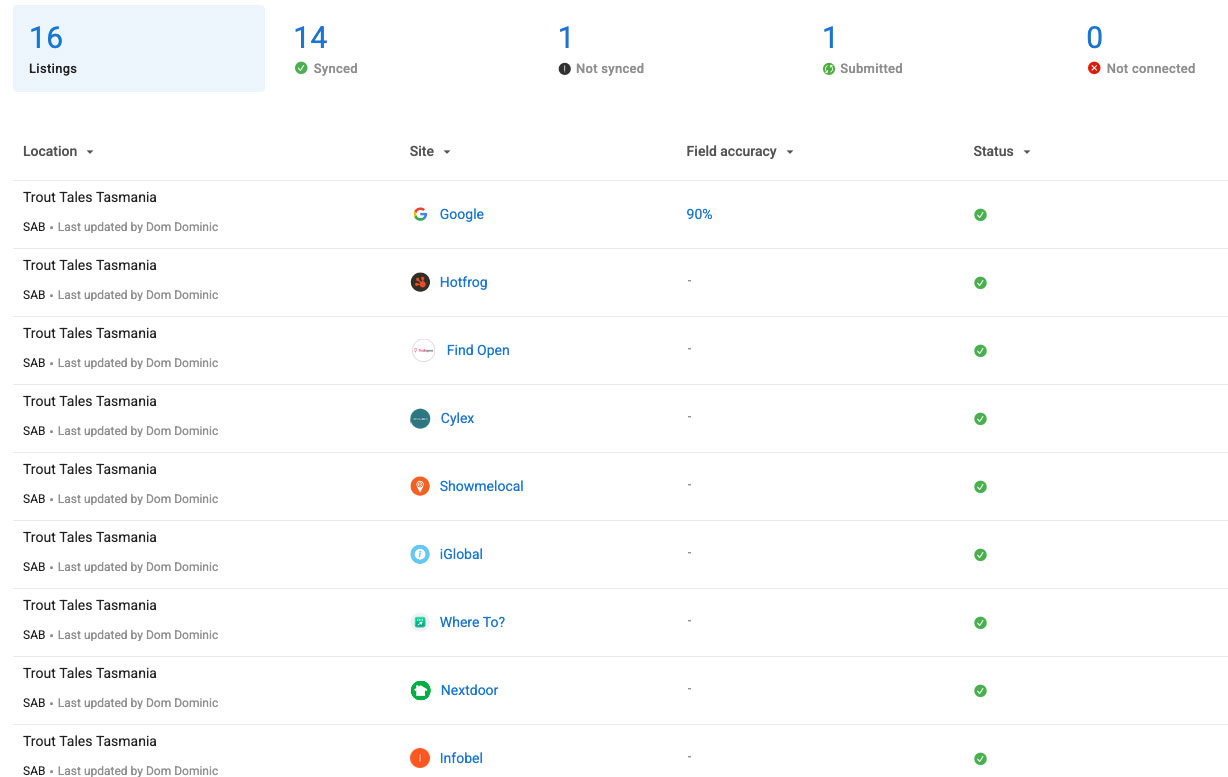
Dom’s Tip: "From that cafe example above, if customers aren't sure which is correct, let along Google, and as a result; you’re less likely to show up. Get these NAPs in order to help boost your rankings."
Don't have time to manage your SEO? Reach out to Wakeford Digital to discuss our Local SEO booster services.
Once your NAP is consistent, it’s time to expand your local footprint.
Citations are online mentions of your business name, address and phone number - and they don’t always need to link to your site to be valuable.
Start by listing on trusted Australian directories:
Then explore industry-specific sites like tourism or trades directories.
Even a council-run business listing can add credibility. You’re aiming for trusted, relevant citations - not a flood of low-quality ones.
Dom’s Tip: "Don’t just aim for every listing under the sun - a few strong local mentions go further than dozens of weak ones."
With a lot of focus away from your website, it can be easy to overlook but it's important to stress that your website still matters - a lot.
It’s your digital home base, and it tells Google (and customers) who you are, where you are, and what you do.
Start by weaving your location naturally into:
If you serve multiple areas, build out suburb-specific landing pages.
Another tip is to use schema markup (especially LocalBusiness schema) to help Google understand your setup.
Make sure your site loads fast, works on mobile, and offers a clear user journey from search to enquiry.
Dom’s Tip: "Don’t force elements such as keywords or suburb names into every paragraph. Google’s smart enough to tell the difference between helpful and spammy and will reward, or punish, those who are natural and clever about it."
Reviews do two things: they build trust with potential customers, and they help Google determine which businesses to rank higher in local results.
But it’s not just about getting five-star reviews - it’s about consistency and genuine interaction.
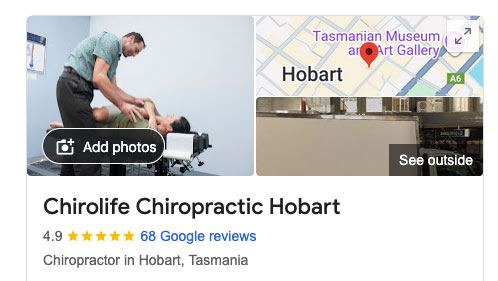
Make getting reviews for your business a part of your internal process:
Always respond - even a short thank you goes a long way. And if you receive a negative review, reply calmly and professionally. It’s not just about that one customer - others are watching how you handle it.
Dom’s Tip: "I always recommend a ‘review blitz’ when you first get started. Even 5–10 solid reviews can move the needle and really help climb that map pack ranking."
Search engines love fresh, relevant content - and so do your customers.
Writing blog posts or service pages that speak directly to your local audience is a powerful way to improve visibility (like this one you're reading now).
Think about what people in your area are actually searching for, or interested in, such as:
Some other ideas include highlighting your team’s involvement in local events, or showcase case studies and testimonials from nearby customers.
Dom’s Tip: "If it makes sense to mention Hobart landmarks or events - do it; but don’t name-drop just to tick a box."
It's likely no surprise with most things digital that set and forget doesn’t work, and it's the same for local SEO.
Even if you’ve done everything right, your competitors are also making moves - and Google is always tweaking how results are ranked.
Track your performance regularly, with tools that might include:
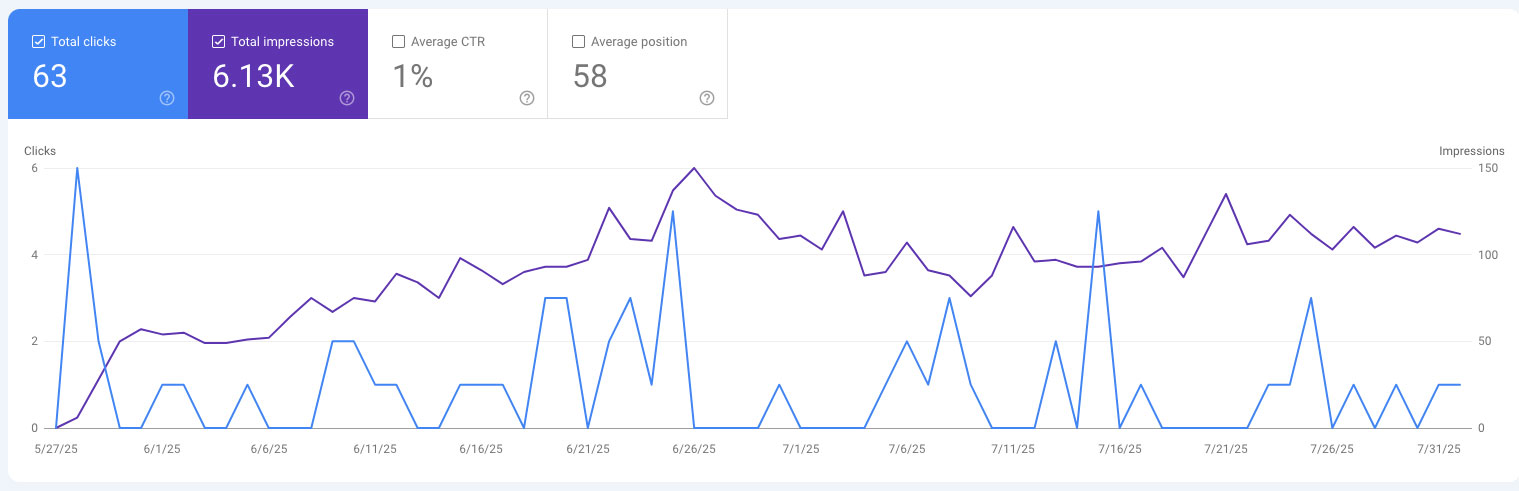
Make improvements based on the data and what you see.
Are people finding your business but not clicking? Update your profile photos or meta descriptions.
Are your calls down? Check your listed phone number.
Dom’s Tip: "Set a monthly reminder to check your local stats. You’ll quickly spot what’s working - and what’s not."
We think a common misconception is that local SEO success comes down to shortcuts or quick hacks; which couldn't be further from the truth.
Local SEO - espeically for business in Hobart - is about building a strong, trustworthy presence that makes it easy for local customers to find - and importantly choose - your business.
Start with your Google Business Profile and NAP consistency, then gradually work through the rest of this checklist. Each step builds on the last.
The businesses that show up consistently in Hobart’s local searches aren’t always the biggest - they’re the ones that keep their listings up to date, listen to their customers, and stay active online.
Want help setting it all up or managing it ongoing? That’s what we do.
View our digital marketing packages to get your business boosted online; and if you've got any questions, we're always here to help.